


How to Keep Your Pets Healthy and Safe During Halloween
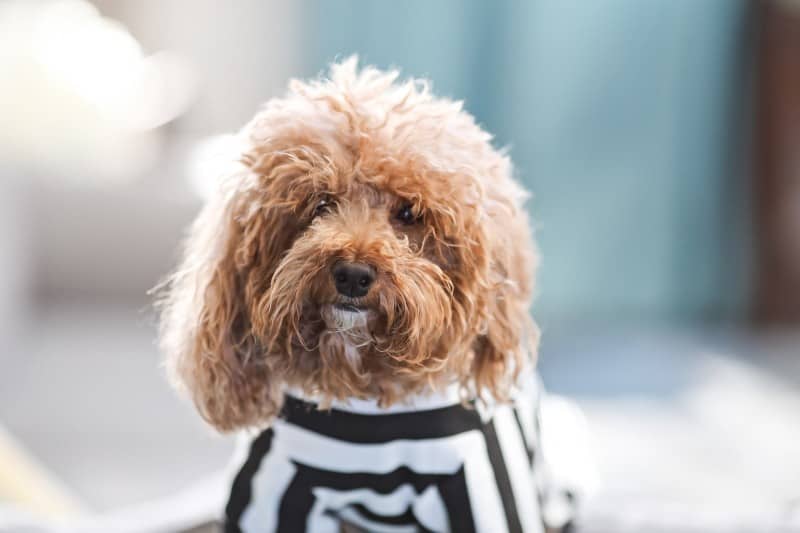
Although Halloween is a spooky time of year for humans, it shouldn’t be for pets. Learn our top tips for keeping your dogs and cats healthy and safe this trick-or-treating season.
1. Be Careful with the Candy
While pets may get excited about sugary sweets, they should never ingest them. Make sure to keep all candy out of reach of dogs and cats. This is also a very important message to pass along to young children to ensure they don’t sneak pets any candy treats while you’re not looking.
Unfortunately, most Halloween candy is toxic to pets. In particular, chocolate, especially dark chocolate, is very dangerous to dogs and cats, as are sugar-free candies containing the artificial sweetener xylitol.
Other festive favorites should be also secured, including pumpkin pie, caramel apples, raisins, and the dough found in cookies, since all of these can be harmful to pets as well. Also, be sure to secure wrappers since they can have candy residue and could cause choking issues. If you suspect your pet may have eaten one of the aforementioned items, we recommend you immediately contact your vet or the ASPCA Poison Control Center at 888.426.4435.
To get your pets in on the fall festivities, you can try plain, unsweetened pumpkin, natural apples, and sweet potatoes, though, since these are all safe!
2. Park Yourself on the Porch
Many pets experience anxiety on trick-or-treat night with the continuous doorbell ringing. Rather than letting your pets get riled up, we recommend you sit on the porch and dole out candy from there. Your pets won’t be disturbed by the constant bell ringing, so they’ll be much more calm and relaxed.
If this isn’t practical, or if you’re hosting a Halloween party and a lot of movement will be happening no matter what, take a look at our next tip!
3. ID & Leash or Crate Your Pets
With all the comings and goings during trick-or-treating and Halloween parties, pets unfortunately have a lot of opportunities to get lost. Some dogs and cats are very easygoing and good with new situations and won’t flee, but as we know many others get scared and anxious, so you might need to take measures to protect them.
Crates can be a good temporary measure, but they can also seem like a punishment if you keep your pet inside them too long. One great option, though, is using a baby gate to ensure your pet stays in safe areas and avoids an easy escape. You can also set your pet up in an enclosed room with everything they need, including food, water, favorite toys, and blankets or clothing with your scent, which will be comforting to them. You can even place a camera in the room that relays to your computer so you can monitor how they’re doing.
For safety’s sake, you should also invest in a collar with your name and address, and consider microchipping your pet so that you can more easily locate them if they do escape.
4. Easy Does It on Décor
While we don’t want to discourage you from decorating your home for Halloween, we do want you to consider your pets when planning and putting up any Halloween décor.
Dogs, for instance, can chew through Halloween lighting and potentially electrocute themselves. They can also become entangled in lighting, causing sprains, fractures, or breaks. To prevent any of these scenarios, please tack cords under your carpet or against the wall to ensure they’re not hazards.
Other dangers can include fragile and breakable decorations that could pose cutting or choking hazards, and lit jack-o’-lanterns that might be knocked over. Be sure to keep any potentially harmful decorations in inaccessible locations, and make sure your pets can’t move any jack-o’-lanterns or touch their flames.
5. Beware the Hidden Danger of Costumes
Dressing up your pet can be loads of fun for Halloween, but you need to ensure you do it safely. Some costumes are just fine for pets to wear, but you should be especially cautious of any costume that seems to inhibit your pet’s breathing or movement. Additionally, make sure any costume you choose for your pet is made of nontoxic materials and doesn’t have any hanging or loose elements they could tear away, chew, or choke on.
Many pets also won’t enjoy having masks covering their faces or having socks or shoes on their feet, so it’s a good idea to avoid these elements, or maybe only use them briefly for quick pictures and then remove them for the rest of the night.
The biggest thing to keep in mind, though, is your pet’s unfamiliarity with both their costume and yours. You don’t want them to be uncomfortable or scared by what you or they are wearing. So be sure to do some practice rounds where they see you in your costume and where they wear their own. This will make the costumes feel routine after a while, so they’ll be all ready for trick-or-treating, a spooky pooch parade, or your Halloween party!
One last note: the ASPCA recommends that unless you know your pet loves wearing a costume you should avoid putting them in one. They suggest that instead you consider a festive bandanna, so that’s always an option!
6. Be Fully Prepared for Trick-or-Treating Trips
If you’re considering taking your dog with you while trick-or-treating, it’s first important to think about your pet’s temperament and relationship with others. Are they anxious or easily scared, or are they more easygoing and flexible? Halloween is great fun, but the unusual sights and costumes, noise, and large groups of people can be distressing for some animals, so more temperamental pets may need to stay home.
But even the best-behaved pets can find Halloween challenging. If you’re going out with your pet during trick-or-treating, remember that young children will likely want to approach or pet them. Meanwhile, some people you encounter could be allergic or could have a fear of dogs.
So you’ll want to make sure your pet is well secured with a leash – preferably with a chest harness for both comfort and control – and be prepared to protect both your pet and others as you walk your neighborhood. Having some treats to reward good behavior is also advised.
7. Have a Plan for Calming Anxious Pets
The loud noises, strange costumes, and unfamiliar people of Halloween can all create new stressors for pets with anxiety, so it’s important to be mindful of how your pet is doing. Try to keep them away from situations that will induce their anxiety response, or, if you can’t, introduce them to stressful aspects slowly.
To calm your pet, you’ll want to create a safe place with toys and bedding familiar to them, and have treats on hand both as rewards and to settle their mood. Talking in calm, even tones will also help.
And, as we noted above, if you’re planning on wearing an elaborate costume, remember that many pets can be scared by the change or may even not recognize you in unusual clothes or under a hat, mask, or face paint. Let them see you in costume a few times before your event, talking and playing with them like normal, so they can get used to everything and not be frightened later.
If ongoing anxiety is a problem, you might want to consult your vet about medication, as they may be able to give you a prescription. Alprazolam, Clomipramine, Buspirone and other medications are available for both dogs and cats with anxiety.
We Hope You Have a Spooktacular Time!
By using these tips, you’ll be sure to make Halloween a fun and spooky time for both you and your dog! And speaking of being festive, many pet owners find that doggy day care is the perfect “celebration” for social dogs. Learn more about our doggy day care services and creating a festive day for your dog any day of the year.

Categories: All Posts